

Audiology Services
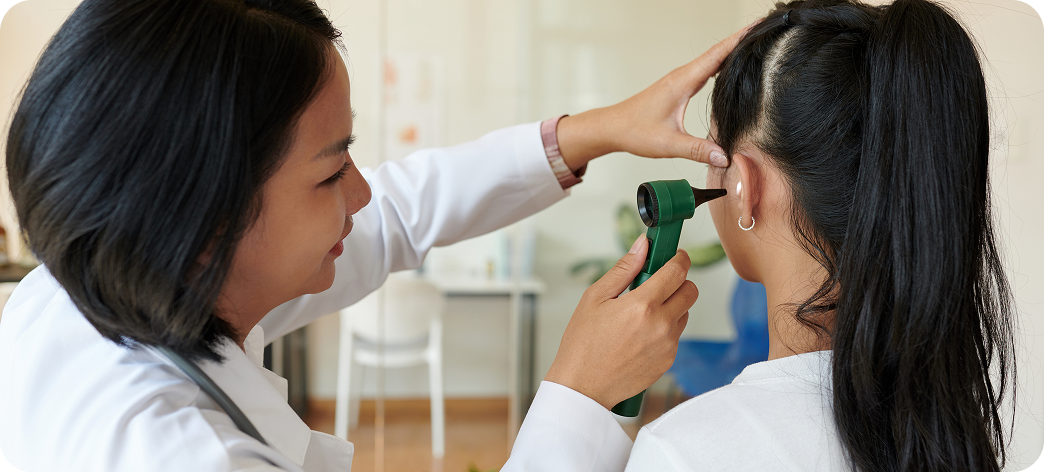
Audiology services provide comprehensive diagnostic assessment and management for hearing and balance related disorder catering to each individual concern and need for newborn to elderly patients.
Our services include but not limited to are:
Pure tone Audiometry
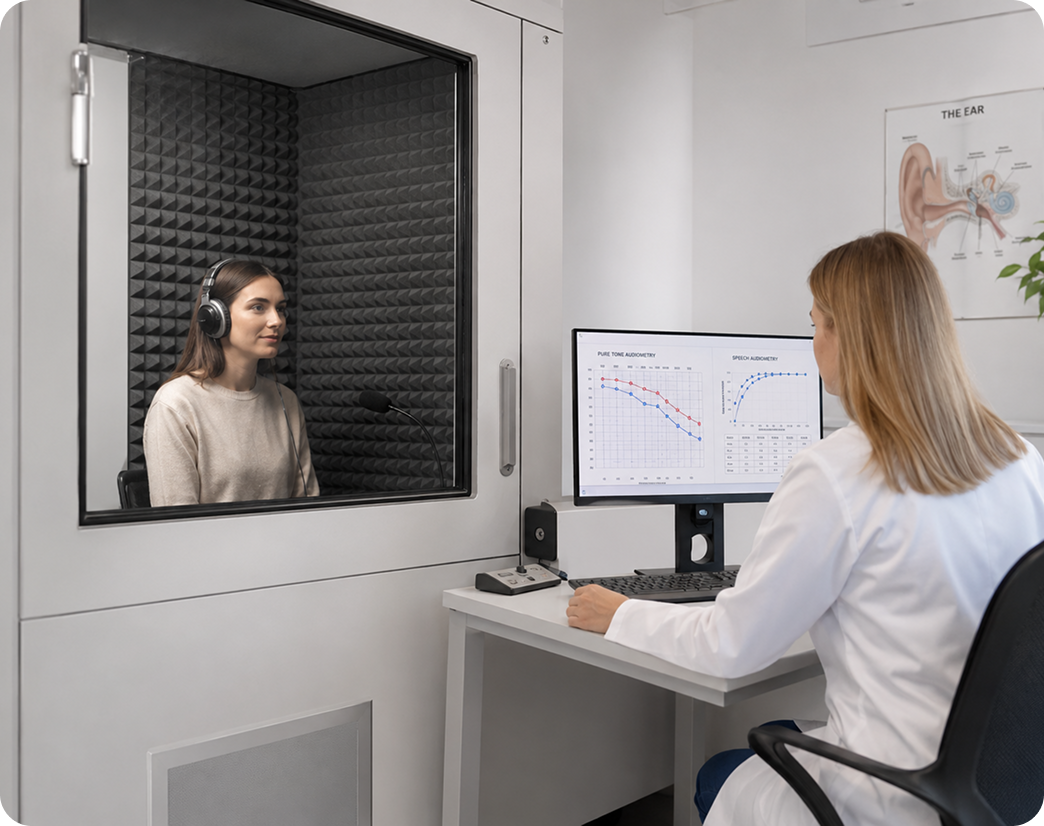
A test to assess the hearing level of a patients for adult and children above 7 years old.
Respond will be recorded when patient press a button in response to the stimulus.
Test takes 30 minutes
Play / Visual reinforcement audiometry
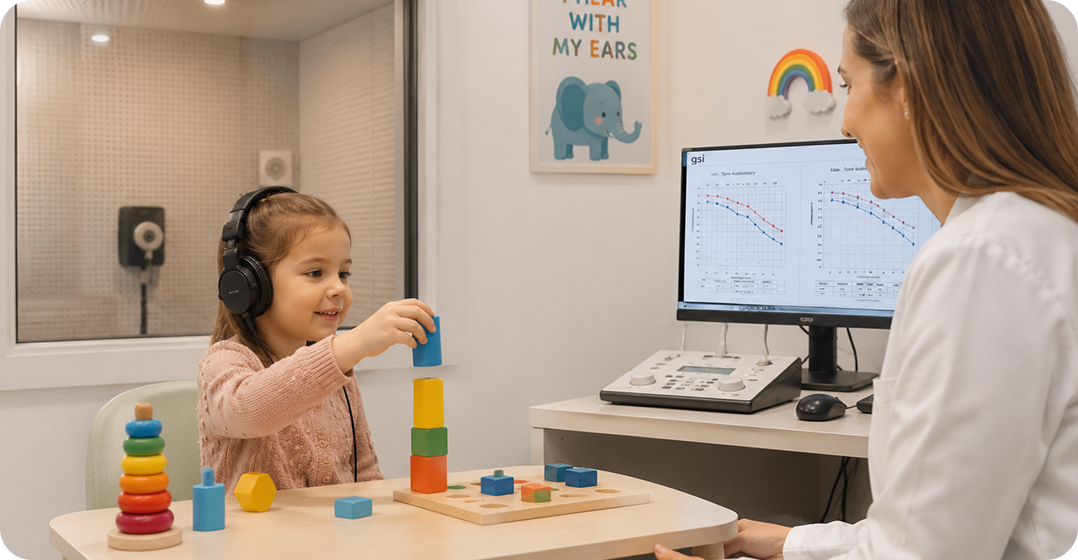
- To assess the hearing level of children between 7 months old until 7 years old; by presenting a stimulus to the ear using a transducer or speaker.
- Different pitches and loudness levels are played, and response will be recorded depending on patient’s reliability.
- The activity takes about 1 hour to complete.
Tympanometry
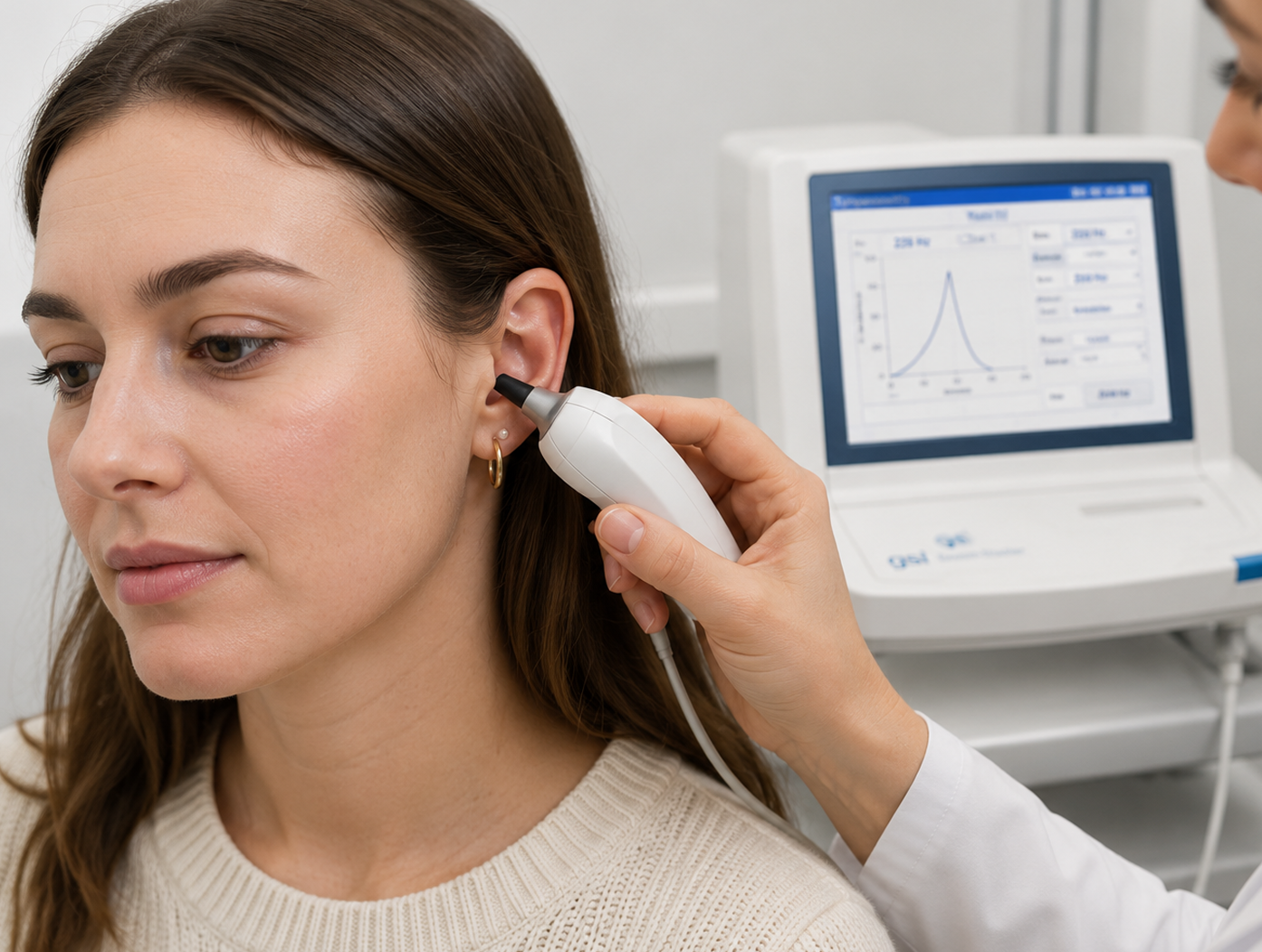
To assess the condition of the middle ear to help detect ear problems such as fluid in the middle ear, perforated eardrums, eustachian tube dysfunction, etc.

To assess the condition of the middle ear to help detect ear problems such as fluid in the middle ear, perforated eardrums, eustachian tube dysfunction, etc.

It measures how the eardrum moves in response to the sound and pressure
A quick 2 minute test.
To assess the condition of the middle ear to help detect ear problems such as fluid in the middle ear, perforated eardrums, eustachian tube dysfunction, etc.
To assess the condition of the middle ear to help detect ear problems such as fluid in the middle ear, perforated eardrums, eustachian tube dysfunction, etc.
It measures how the eardrum moves in response to the sound and pressure
A quick 2 minute test.
Eustachian Tube Function Test
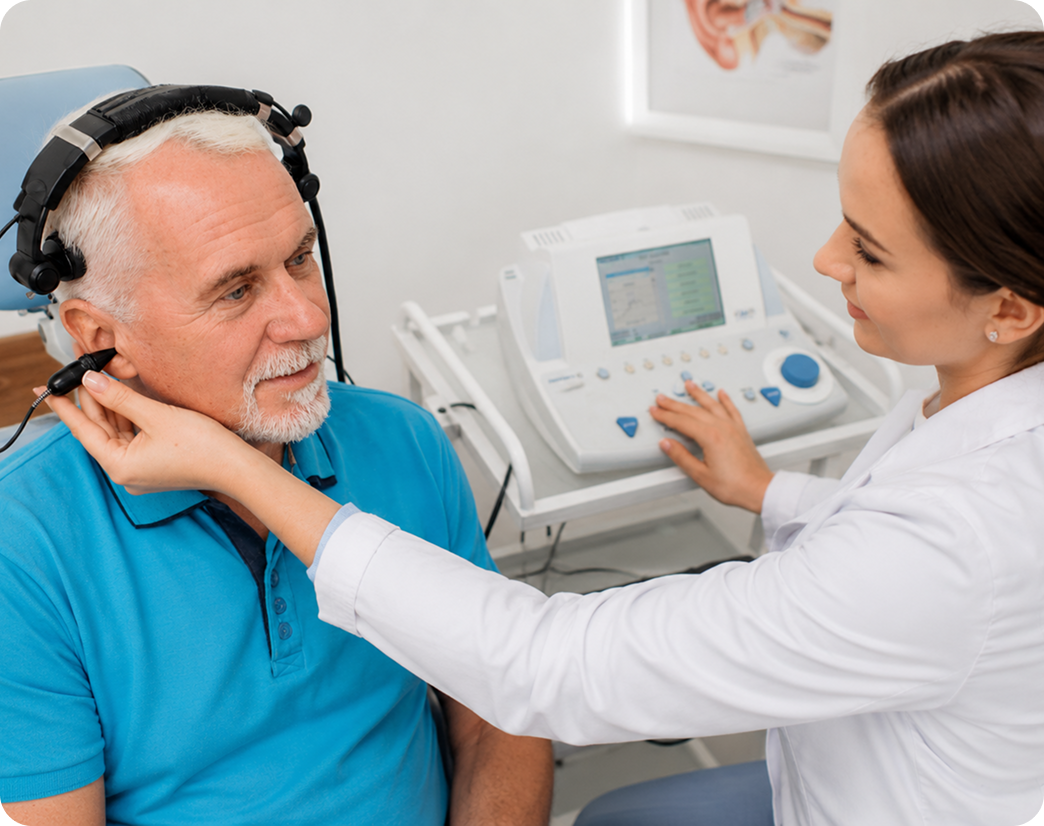

Test to assess the condition of the Eustachian tube and verify the Eustachian tube dysfunction.

Patient will need to do certain maneuvers which will be taught by audiologist to complete the test.
Test takes 5 minutes to complete
Acoustic stapedial reflex test
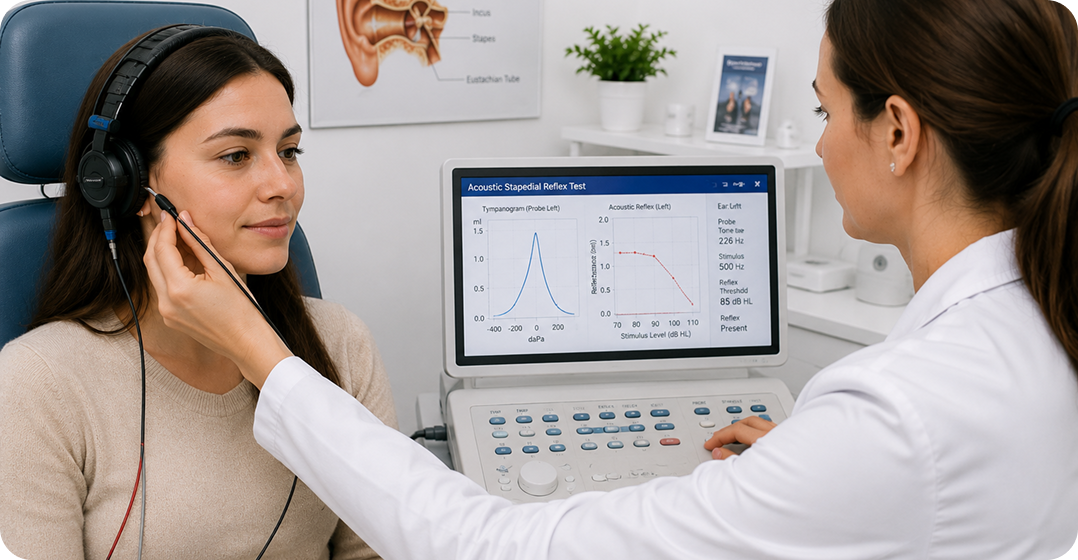
- A test to measure the contraction of stapedius muscle in the middle ear in response to loud sound.
- A brief of loud sound will be presented through the probe tip. Patients need to sit still and be quiet throughout the test.
- 5 mins to complete
Newborn Hearing Screening
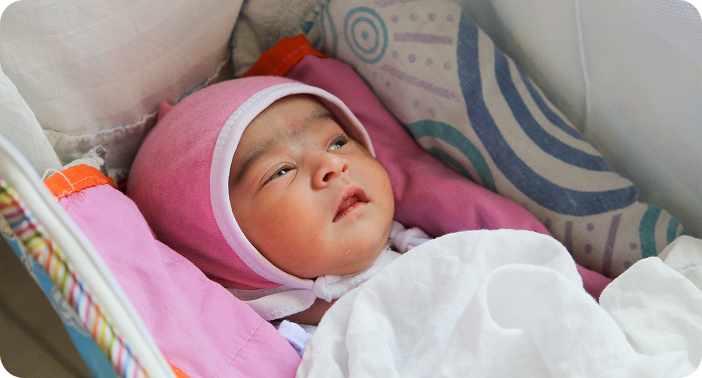
A test to screen the hearing status of a newborn. It is done after 24 hours of life. It is performed for all Parkcity medical center’s newborns unless indicated otherwise.
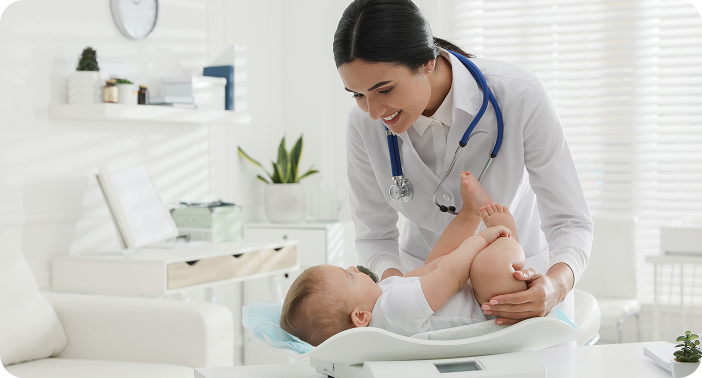
If the screening is not carried out during the inpatient stay or if the patient needs to repeat the screening, it will be carried out during the follow up appointment.
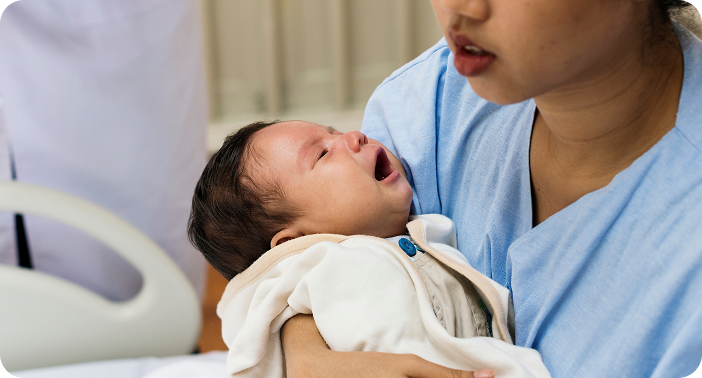
There are 2 types of screening
- Automated Auditory Brainstem Response (AABR) – 10 mins to complete
- Otoacoustic Emission (OAE) – 5 mins to complete
A test to screen the hearing status of a newborn. It is done after 24 hours of life. It is performed for all Parkcity medical center’s newborns unless indicated otherwise.
If the screening is not carried out during the inpatient stay or if the patient needs to repeat the screening, it will be carried out during the follow up appointment.
There are 2 types of screening
- Automated Auditory Brainstem Response (AABR) – 10 mins to complete
- Otoacoustic Emission (OAE) – 5 mins to complete
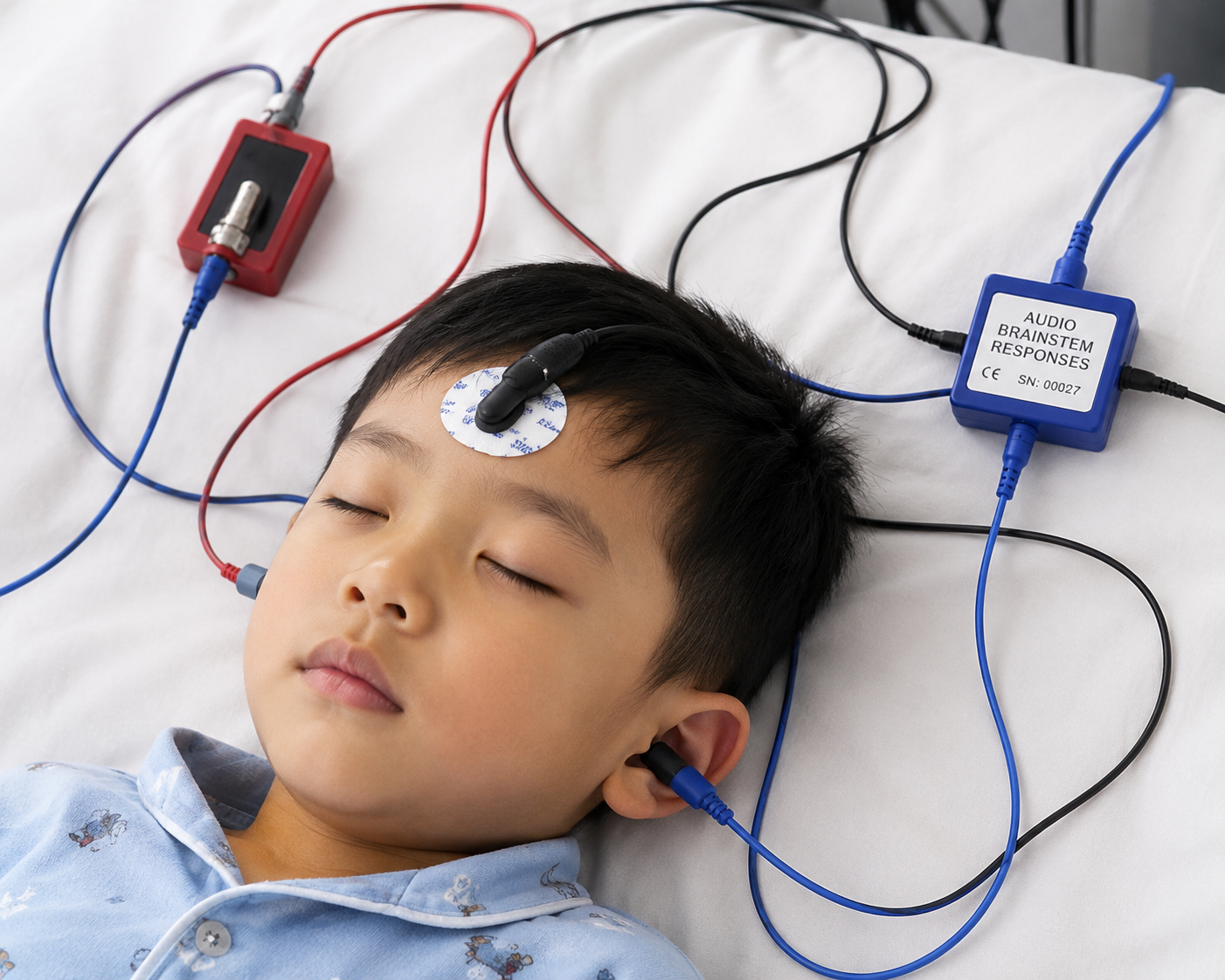
Auditory Brainstem Response (ABR)
Auditory Brainstem Response (ABR) is a safe, painless, and non-invasive hearing test that measures the hearing nerve and brain's response to sound. Small electrodes are placed on the head and near the ears while the patient rests or sleeps. The test takes approximately 1–2 hours, and mild sedation may be used when necessary to ensure accurate results.
Auditory Steady State Response (ASSR)
- ASSR testing helps estimate the hearing threshold and can guide the early fitting of hearing aid.
- Is particularly useful for individuals who cannot reliably respond to traditional behavioral hearing tests, such as infants and young children, or those with cognitive impairments.
- Electrodes will be placed on the scalp/forehead and near the ears. The electrodes record brain activity in response to sound.
- 30 mins – 1 hour (test only)
- This test is usually performed during natural sleep or with the help of mild sedation
- Natural sleep is usually used for patient aged less than 1 year old.
- Mild sedation is used for kids aged more than 1 year old as it is unable to give reliable result if it is done through natural sleep
- For adults, the patient will be instructed to stay still and relax throughout the test.
Aural rehabilitation
Hearing aid trial/ fitting (1– 2 hours)
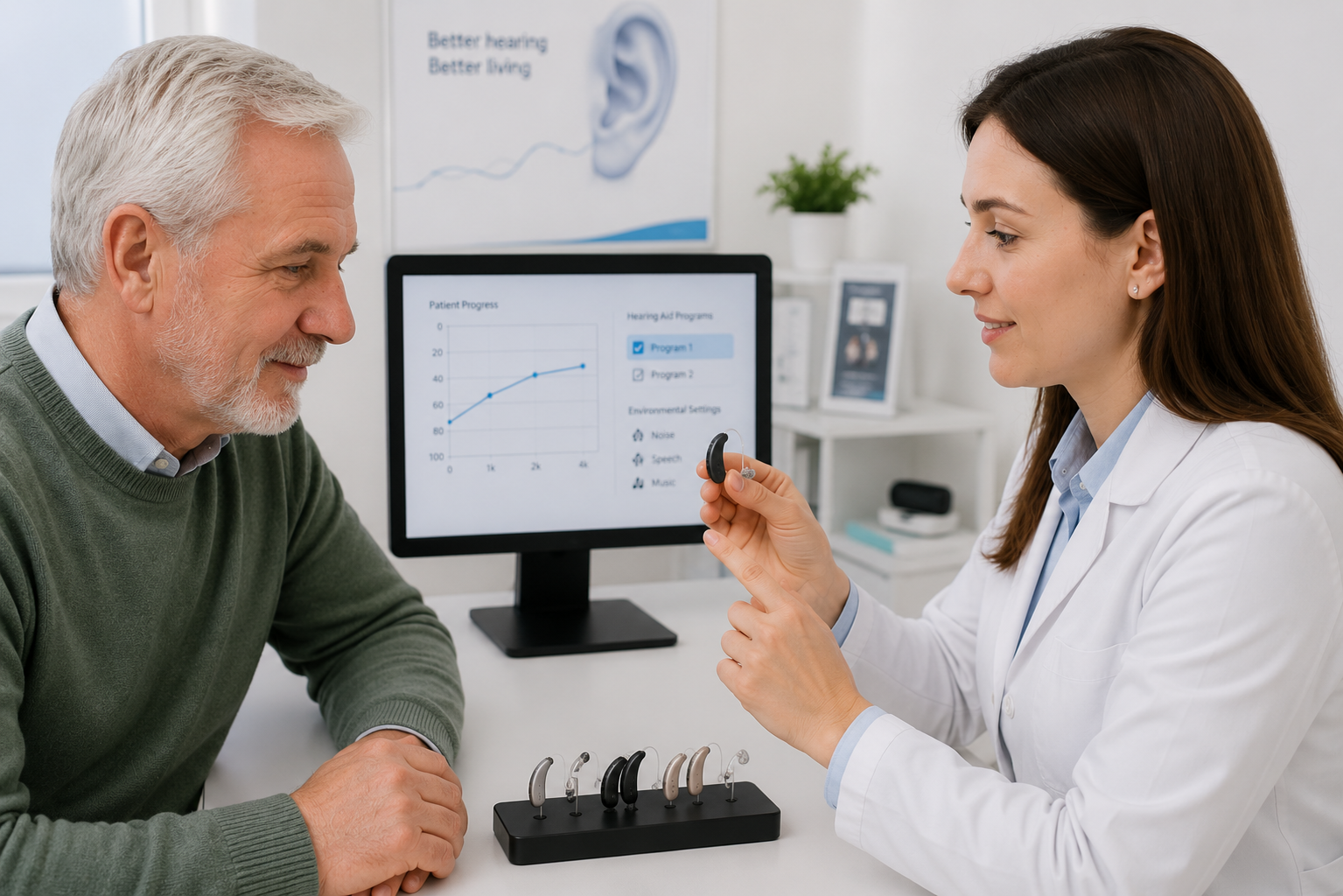
Allows Patient to experience listening with two or three types/model of hearing aid to fit their needs and is fitting comfortably prior to purchasing.
Trial session include programming and fine tune adjustment followed by 1 week home trial for better experience.
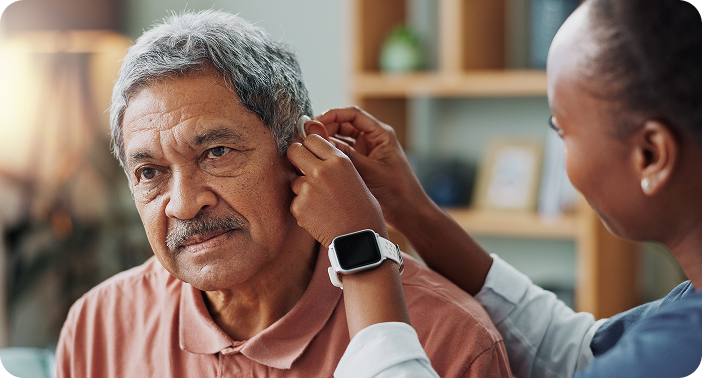
After selection and purchase, the patient will be fitted with his or her new hearing aid.
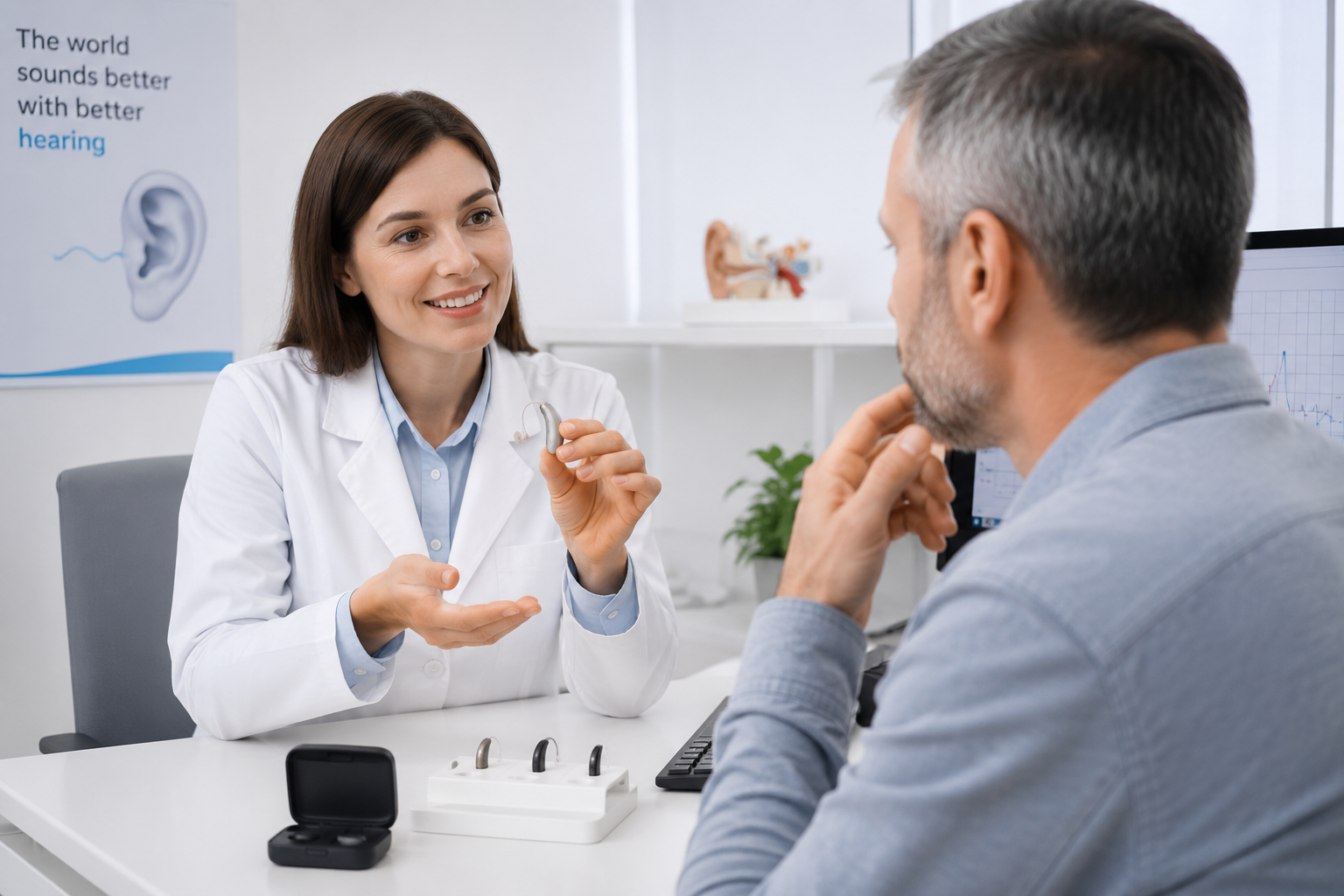
Hearing aid care and orientation will be taught to patient and family members
Allows Patient to experience listening with two or three types/model of hearing aid to fit their needs and is fitting comfortably prior to purchasing.
Trial session include programming and fine tune adjustment followed by 1 week home trial for better experience.
After selection and purchase, the patient will be fitted with his or her new hearing aid.
Hearing aid care and orientation will be taught to patient and family members
Hearing aid follow-up (30 minutes)
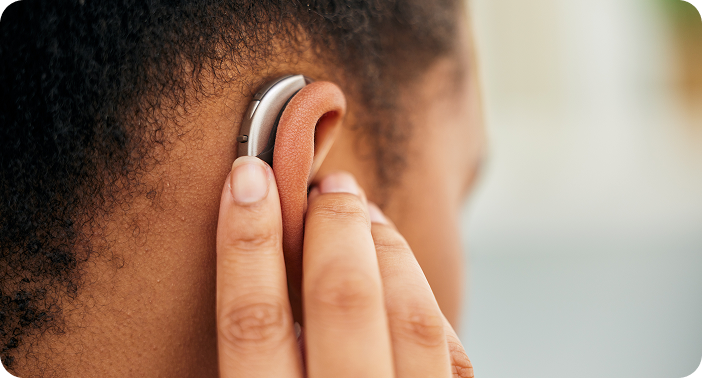
Follow up is required to ensure the hearing aid is in a good and optimum condition.
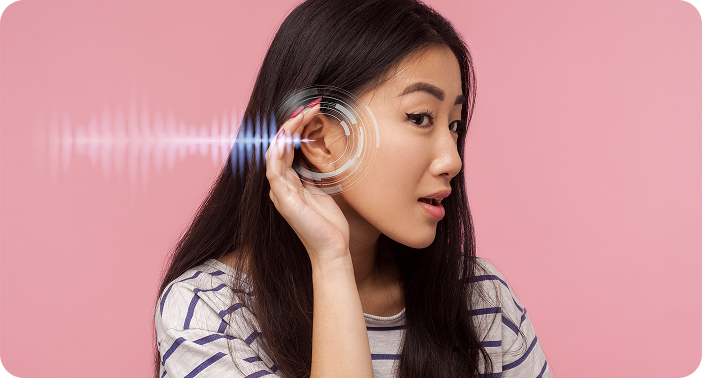
Supports any settings to adjust clarity, volume and comfort to optimize its usage for different environments and conversations.
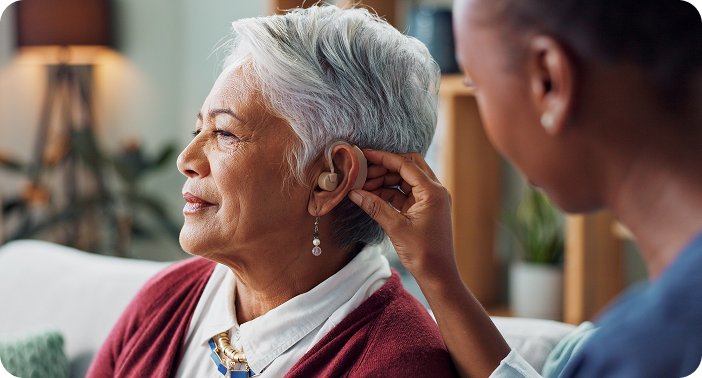
Patients are required to bring all the accessories during the follow up appointment

Advise patient to send hearing aid for service every 6 months to 1 year.
Follow up is required to ensure the hearing aid is in a good and optimum condition.
Supports any settings to adjust clarity, volume and comfort to optimize its usage for different environments and conversations.
Patients are required to bring all the accessories during the follow up appointment
Advise patient to send hearing aid for service every 6 months to 1 year.
Why choose us
We offer comprehensive services catering any hearing related concern for patients ranging from newborns to elderly.

Works collaboratively with experienced Otolaryngologist consultants for timely and accurate diagnosis.

Child friendly services
We offer comprehensive services catering any hearing related concern for patients ranging from newborns to elderly.
Works collaboratively with experienced Otolaryngologist consultants for timely and accurate diagnosis.
Child friendly services
Frequently Asked Questions